MJA and MRC Launch Joint Guidelines on Responsible Reporting of Suicide and Self-Harm
In response to recent coverage concerns, the MJA, in collaboration with the MRC, has released a comprehensive media advisory on responsible reporting of suicide and self-harm. Aimed at preventing copycat behavior and protecting vulnerable communities, the guidelines call on editors and journalists to avoid sensationalism, respect privacy, and ensure vital crisis helplines—including 1677 and 1484—accompany every related report.
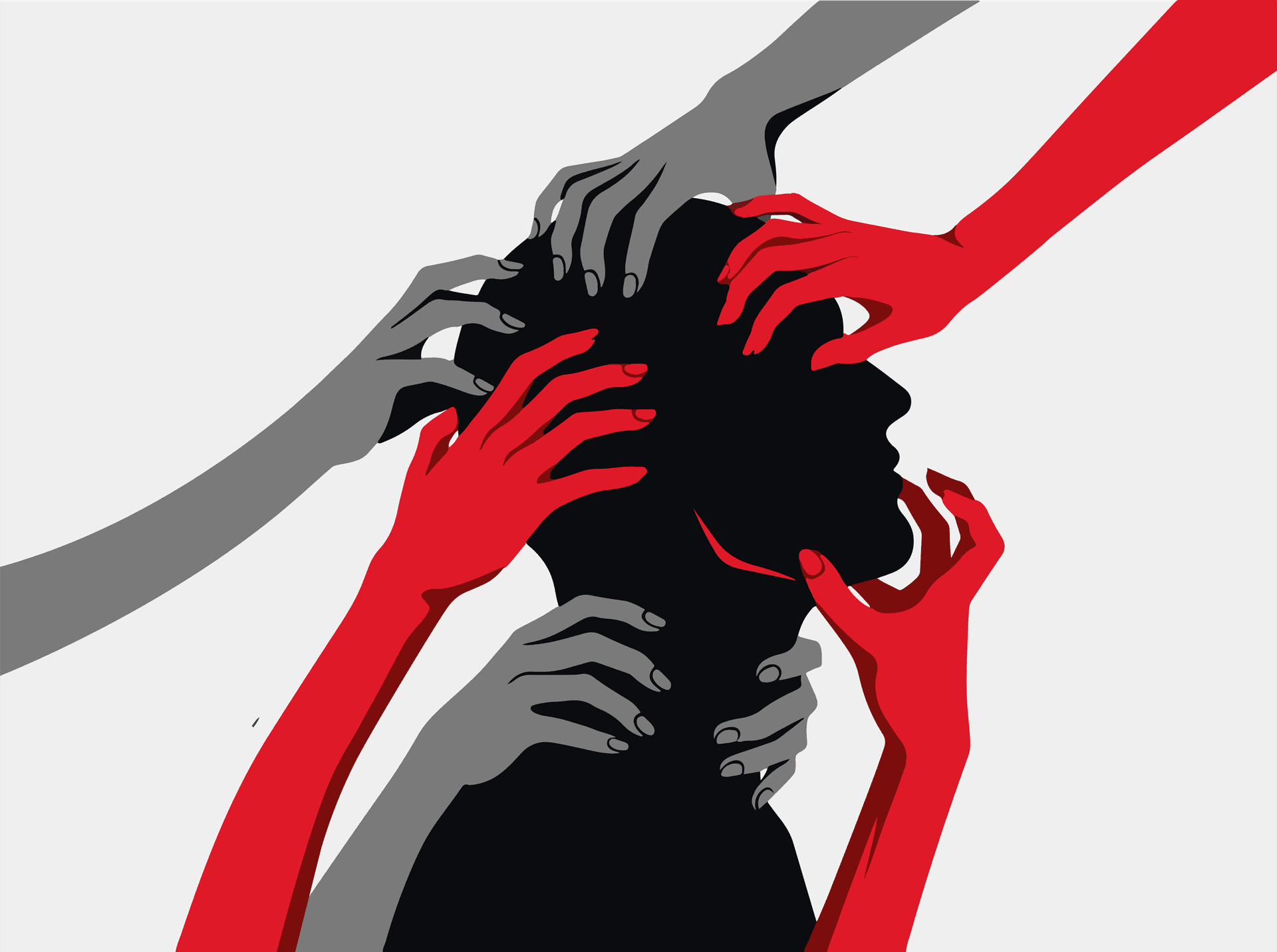
Male’, Maldives — The Maldives Journalists Association (MJA), in collaboration with the Maldivian Red Crescent (MRC), has officially released a comprehensive media advisory and guideline aimed at ensuring the responsible and ethical reporting of suicide and self-harm incidents across the Maldivian media landscape.
Recognizing the critical role the media plays in shaping public perception, the joint advisory seeks to equip journalists, editors, and newsrooms with best practices to cover these highly sensitive topics without causing further harm to vulnerable individuals or grieving families.
"Media coverage of grief and loss should be respectful, sensitive, and non-sensational," said Ahmed Naaif, President of the Maldives Journalists Association. "Our words hold immense weight. Irresponsible reporting can inadvertently encourage copycat behavior and deepen the trauma of affected communities. These guidelines are a vital step in ensuring that empathy and responsibility lead the way in our newsrooms."
Key Directives for Newsrooms
The newly issued advisory outlines strict boundaries and best practices for news professionals. According to the guidelines, journalists and newsrooms must adhere to the following principles:
Avoid Graphic Details: Do not detail the methods used in the incident or provide step-by-step descriptions.
Restrict Explicit Media: Do not publish explicit photos, videos, or detailed descriptions of the scene.
Protect Privacy: Refrain from publishing suicide notes, final messages, or detailing the victim's background unnecessarily.
Watch Your Language: Avoid language that normalizes, romanticizes, or frames self-harm as a valid solution to personal problems or a natural reaction to everyday stressors.
Do Not Sensationalize: Avoid sensationalizing the news or repeating the coverage unnecessarily.
Instead of focusing on the tragic details, the MJA and MRC urge news professionals to pivot their reporting toward prevention and healing. Journalists are encouraged to consult mental health professionals and experts, focus on stories of hope and resilience, and remain deeply mindful of the profound impact the reporting will have on the grieving family and friends.
Mandatory Inclusion of Support Resources
A central pillar of the new guideline is the mandatory inclusion of mental health support resources. Newsrooms are strongly urged to append the following national helplines to all related news reports, broadcasts, and social media content to ensure those struggling can find immediate help:
National Mental Health Helpline: 1677
Ministry of Education Helpline (for students and teachers): 1484
The MJA calls on all editors and newsroom managers to immediately circulate the guidelines among their staff—including reporters, sub-editors, and social media teams—to foster a unified culture of responsible journalism.
The full visual guidelines (available in Dhivehi) can be downloaded here: Suicide Media Reporting Guidelines